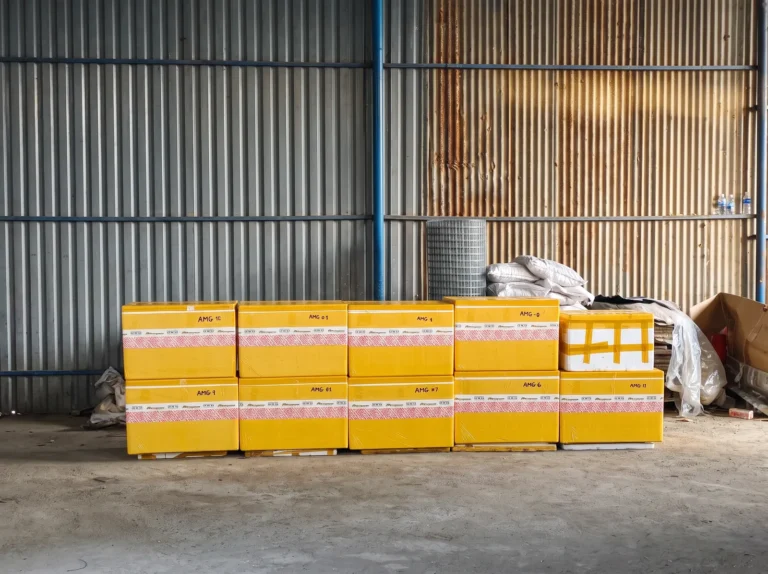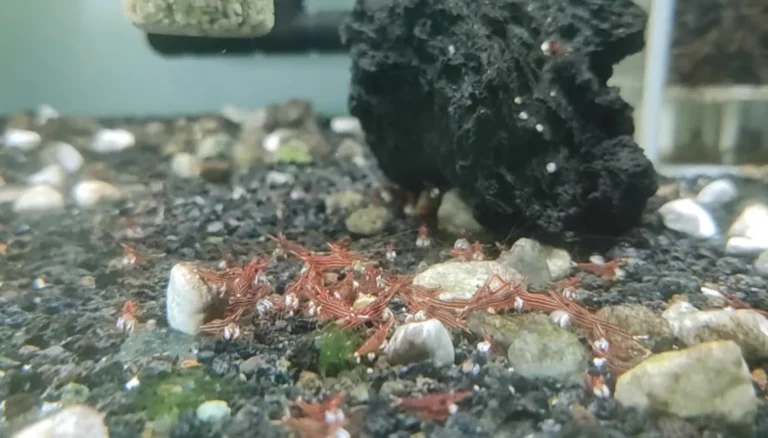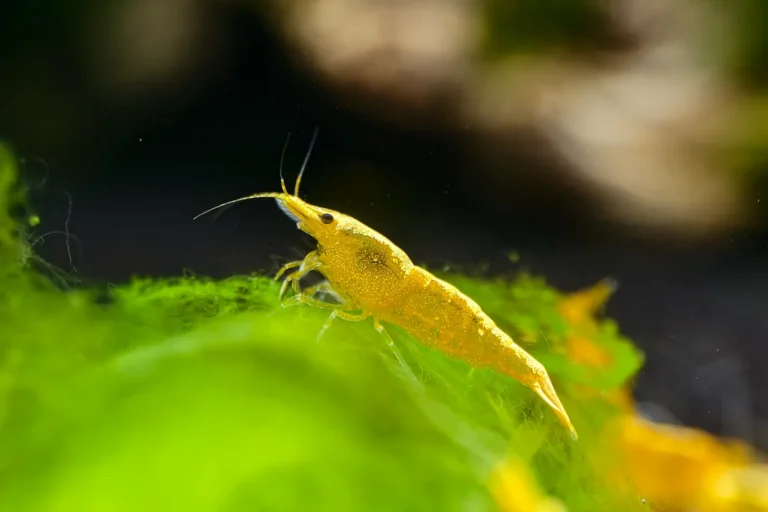
Shrimps Kingdom is a Neocaridina and Sulawesi ornamental shrimp farm in Ho Chi Minh City, Vietnam, shipping wholesale boxes of 1,500–5,000 live shrimp to shops and distributors worldwide, once a week, starting at USD 500 per box, with a live arrival warranty.
If you’re searching “ornamental shrimp wholesale supplier,” you’re probably not looking for a hobby blog — you’re trying to figure out who can actually fill a recurring order, at what minimum, and whether the shrimp will survive the trip. That’s what this page is for. Everything below is either our own operational data or sourced from US customs/trade records, not generic shrimp-care advice.
What “wholesale supplier” should actually mean
Most pages that rank for this term are either general seafood distributors (who sell food shrimp, not ornamental livestock) or ornamental-fish exporters who list shrimp as a side item. A real ornamental shrimp wholesale supplier should be able to tell you, without you having to ask twice:
- A minimum order quantity in shrimp count, not “call us”
- A per-box or per-unit price, not “contact for pricing” with no floor number
- A shipping cadence (how often boxes actually go out, not “on request”)
- A live arrival policy in writing, before you pay
We publish ours: minimum 1 box, boxes of about 1,500–5,000 shrimp, from USD 500, one shipment every week, live arrival warranty included. See current box sizes and pricing →
Species and colour lines available
- Neocaridina davidi — the color-morph shrimp most shops stock first: red/cherry, orange, yellow, blue, black, chocolate, and rili (patterned) lines are the standard commercial set this species is bred into.
- Sulawesi shrimp (Caridina spp.) — the rarer, higher-margin category. More on sourcing risk below, because this is where most buyers get burned.
View colour lines currently in stock →
Wild-caught vs. captive-bred Sulawesi shrimp — the part most suppliers don’t explain
Sulawesi shrimp aren’t farmed the way Neocaridina are. They’re endemic to two ancient lake systems in Central Sulawesi, Indonesia — Lake Poso and the Malili lakes — and nowhere else on Earth. Lake Poso alone hosts 11 described Caridina species found in no other body of water, and researchers have classified several of them as Vulnerable under IUCN criteria, citing habitat loss, invasive species, and hydropower development on the lake as ongoing threats.
That matters to you as a buyer for two practical reasons:
- Wild-collected stock is a supply-chain risk, not just an ethics question. A source population under conservation pressure is a source that can tighten, get regulated, or simply become harder to collect from season to season. If your supplier’s entire Sulawesi inventory depends on wild collection from a stressed lake system, your reorders are exposed to that risk.
- Captive-bred stock is the more supply-stable option, and it’s also generally hardier for shipping since it’s already adapted to tank conditions rather than lake conditions. Our Sulawesi lines are farm-bred in Ho Chi Minh City, not wild-caught and shipped straight out of Sulawesi — ask any supplier directly which one you’re being sold, because the price difference between the two is not always disclosed upfront.
Ask us which Sulawesi lines are in stock this week →
What it actually costs to land a box in the US (real numbers, not a quote request)
This is the part most competitor pages skip entirely. Here’s the real customs math for a Vietnam-origin shipment, using published US trade data:
| Item | Detail |
|---|---|
| US customs classification | Live ornamental shrimp is classified under HTS 0301.19.00.00 (“other live ornamental fish”) for US import purposes, not under the food-shrimp chapter (0306) |
| Base (MFN) duty rate | Free on this HTS line |
| Current US–Vietnam reciprocal tariff | 20% on goods from Vietnam (40% if the shipment is flagged as transshipped through Vietnam from elsewhere), under the July 2025 US–Vietnam trade agreement |
| Anti-dumping duty on Vietnamese shrimp (~4–25%) | Does not apply — that duty is specific to frozen/processed food shrimp (HTS chapter 0306) from named Vietnamese seafood processors, not to live ornamental invertebrates |
| Import permitting | US Fish & Wildlife / APHIS may require an invertebrate import permit depending on species and port of entry; shipments move by air freight to a port equipped for live-animal inspection |
Example: a USD 700 box of live shrimp landing in the US currently carries roughly USD 140 in reciprocal tariff (20%) on top of freight — not the 74%+ figures you may have seen in shrimp-industry news, because those apply to frozen food shrimp, a completely different product category and HTS chapter. If a supplier or a forum post quotes you a Vietnamese shrimp tariff rate in that range, they’re citing the seafood anti-dumping case by mistake. Freight cost itself varies by destination airport and courier (DHL/FedEx live-animal service) — get that number from your actual courier quote, not a flat estimate.
Get an exact landed-cost quote for your destination →
How the export process actually works
- Order and MOQ confirmed — minimum 1 box, box size and species/colour mix agreed
- Grading and quarantine — shrimp are graded and held before packing (this step is where DOA rates are mostly won or lost — ask any supplier what their quarantine period actually is)
- Packing — breather bags, insulated box, heat/cold packs as needed for the season and destination
- Air freight — weekly shipment cadence, tracked
- Arrival and live arrival warranty applies — document any losses per the supplier’s stated window
Vietnam vs. other sourcing countries — a quick comparison
| Source | Typical strength | Typical limitation |
|---|---|---|
| Vietnam (us) | Weekly shipment cadence, low reciprocal tariff (20%) vs. some alternatives, established Neocaridina + Sulawesi breeding | Smaller-scale farms than some German/Czech breeders |
| Indonesia (direct) | Closest to native Sulawesi habitat | Higher exposure to wild-collection supply risk and conservation-driven restrictions; longer/less frequent shipment schedules from most sellers |
| Germany / Czech Republic | Strong captive-bred Caridina genetics, established in the hobby | Typically retail-scale, not built for recurring wholesale MOQs; higher labor cost baked into price |
| US domestic (re-sellers) | No international shipping risk | Usually reselling imported stock at a markup — you’re paying for someone else’s wholesale relationship |
FAQ
What’s the minimum order for wholesale shrimp from Shrimps Kingdom?
One box — about 1,500 to 5,000 shrimp depending on the box size you choose, starting at USD 500.
How often do you ship?
Once a week, by air freight, worldwide.
Do you guarantee live arrival?
Yes — every export box ships with a live arrival warranty. Contact us for the exact terms and claim window before you order.
Are your Sulawesi shrimp wild-caught or captive-bred?
Captive-bred, farmed in Ho Chi Minh City — not collected from Lake Poso or the Malili lakes.
Will I owe anti-dumping duty on shrimp from Vietnam?
No. Anti-dumping duties on Vietnamese shrimp apply to frozen food shrimp under a different customs chapter. Live ornamental shrimp is classified separately and isn’t subject to that duty — you’ll pay the standard reciprocal tariff (currently 20% for Vietnam-origin goods) instead.
Can you ship to my country?
We ship worldwide on a weekly cadence — message us on WhatsApp with your destination and we’ll confirm freight options.
Sources: US HTS tariff schedule (HTS 0301.19.00.00) and country-specific duty data; July 2025 US–Vietnam trade agreement coverage (Vietnam News, AFP); IUCN-referenced conservation status of Lake Poso Caridina species (IUCN SOS conservation project overview, Wikipedia species entries citing Klotz et al. 2021, ZooKeys). Figures current as of this writing — tariff rates are subject to change; confirm before invoicing a customer.